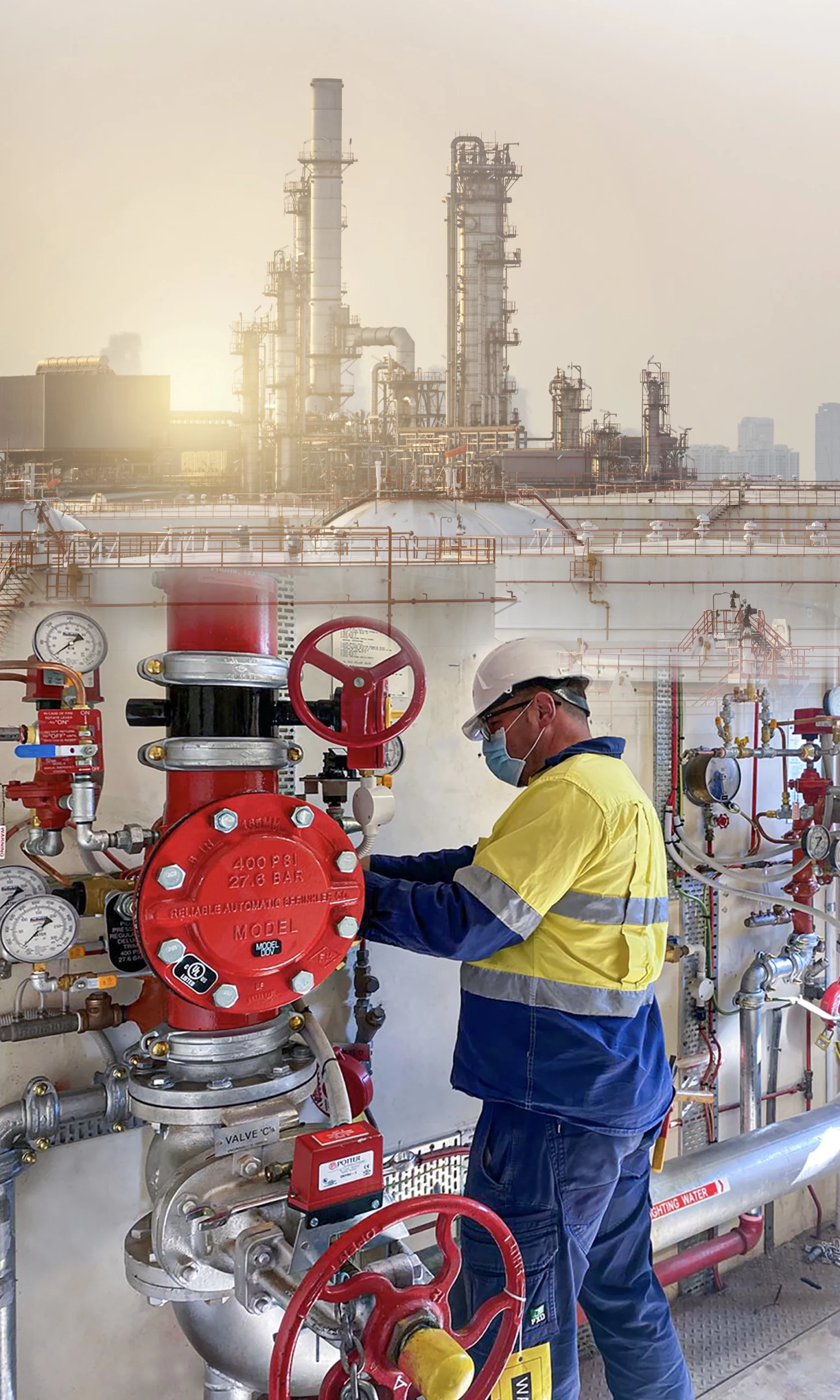
Fire protection for special hazard environments requires highly engineered solutions designed for areas where conventional systems may not be sufficient. Our systems are applied in locations such as data centers, power generation facilities, chemical processing plants, fuel storage areas and industrial manufacturing sites where fire risks are complex and high consequence. We design and specify advanced suppression and detection systems including clean agent systems, foam deluge systems, water mist technology and rapid response detection networks. Each application is tailored to the specific hazards present, ensuring precise activation and minimal damage to sensitive systems. Our engineering approach focuses on reliability, compliance and resilience in environments where even a small fire incident can lead to significant operational and financial impact and safety risks.
EQUIPMENT FIRE SUPPRESSION SYSTEMS LLC
Applications
EQUIPMENT FIRE SUPPRESSION SYSTEMS LLC
Applications of our fire suppression systems
We provide fire suppression engineering services across a wide range of industries, each with its own operational demands, hazards and regulatory frameworks. Commercial, industrial, energy and specialist facilities all require tailored approaches to ensure effective fire protection. Our experience working within these diverse sectors enables us to interpret and apply the relevant standards correctly while designing solutions that are both compliant and practical. We engineer fire suppression systems that respond to the specific risks of each environment, ensuring appropriate coverage, performance and reliability. By combining sector knowledge with technical expertise, we deliver solutions that meet safety requirements and support uninterrupted business operations effectively.
Storage & Warehousing Fire Safety Solutions
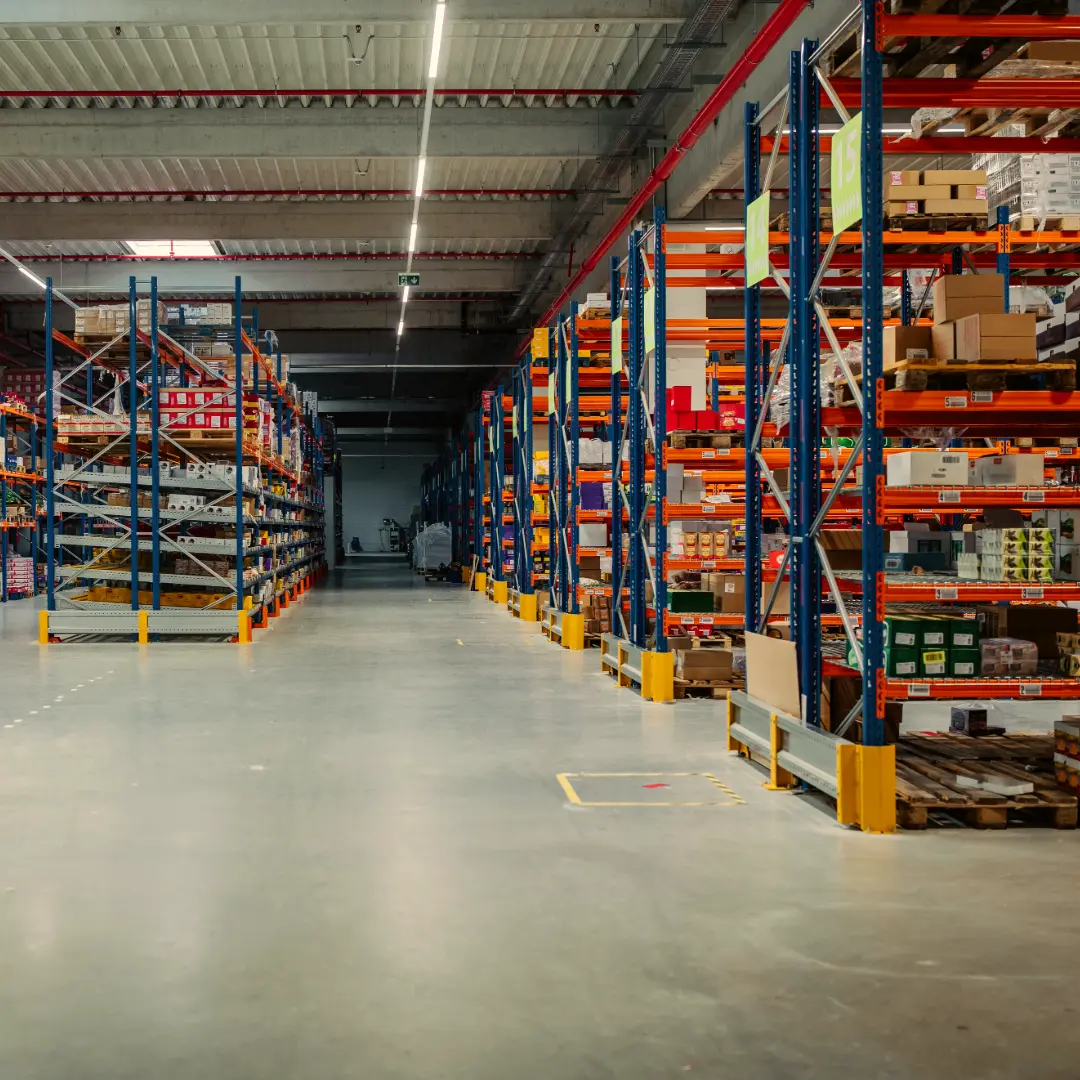
Fire protection systems in warehouses and storage locations are engineered to suit high fuel loads, large open spaces and varying storage configurations. Our systems are commonly applied in distribution centers, logistics hubs, cold storage facilities and bulk storage warehouses where fire can spread rapidly due to stored goods and packaging materials. We engineer sprinkler systems with extended coverage, in rack suppression solutions, early detection systems and hydrant networks to ensure fast response and effective control. Each solution is tailored to storage height, racking layout and commodity type, ensuring reliable performance. The goal is to protect inventory, maintain operational continuity and support safe evacuation while meeting relevant fire safety standards and insurance requirements for high risk storage environments.
Power Stations
Fire protection systems at power stations are applied to safeguard complex and high value infrastructure where continuous operation is essential. We engineer solutions for turbine halls, boiler areas, transformer yards, control rooms and cable tunnels where fire risks vary from electrical faults to fuel related hazards. Our systems include detection, sprinklers and water mist suppression, gas based protection for sensitive controls and hydrant networks for manual response. Each system is designed to operate reliably in harsh industrial conditions and respond quickly to prevent escalation. The goal is to protect critical generation assets, ensure personnel safety and maintain uninterrupted power supply while meeting stringent regulatory and industry standards for energy infrastructure.

Aviation
Fire protection in aviation environments spans both airports and aircraft, but each requires very different engineering approaches due to their operating conditions and risk profiles. In airports, we design systems for terminals, hangars, fuel storage areas and maintenance facilities using sprinklers, foam deluge systems, hydrants and detection networks to manage large scale structural and fuel related fires. On aircraft, fire protection is highly compact and weight critical, focusing on clean agent suppression in cargo holds, engine fire detection, cabin smoke detection and portable extinguishers. The key difference is scale and response strategy, with airport systems prioritizing wide area coverage and aircraft systems prioritizing rapid, lightweight and highly reliable suppression in confined, pressurized environments where safety and performance are tightly controlled.
Safeguard Attics and Concealed Spaces with Specialized Fire Protection
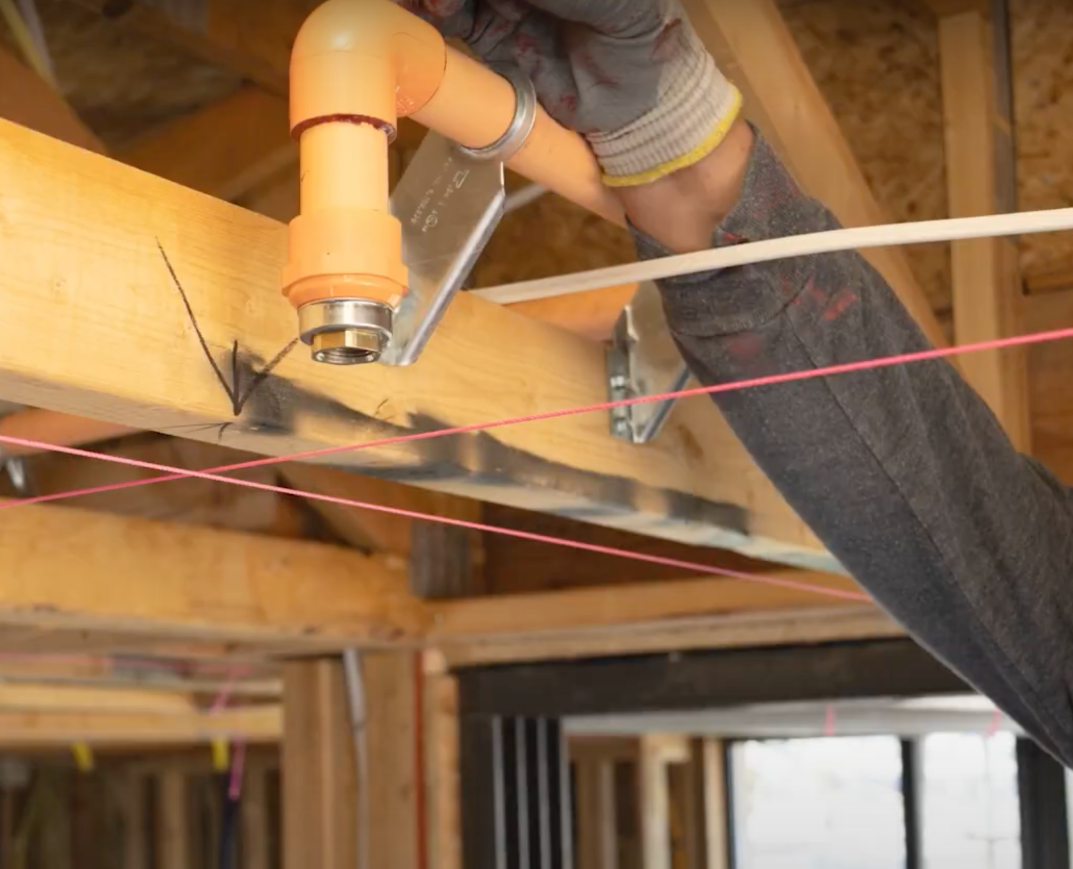
Fire sprinkler systems in residential homes and attic spaces are designed to provide early fire control in areas where occupants may be at greater risk due to delayed detection or limited access. We engineer compact and discreet sprinkler solutions that integrate into living spaces, bedrooms, corridors and loft areas while maintaining aesthetic and practical considerations. In attics, where fires can spread quickly through insulation and stored items, targeted sprinkler coverage helps contain fire at an early stage. These systems are designed to activate automatically, limiting heat and smoke development, protecting escape routes and reducing structural damage. The focus is on enhancing life safety, improving response time and providing reliable protection in private residential environments.

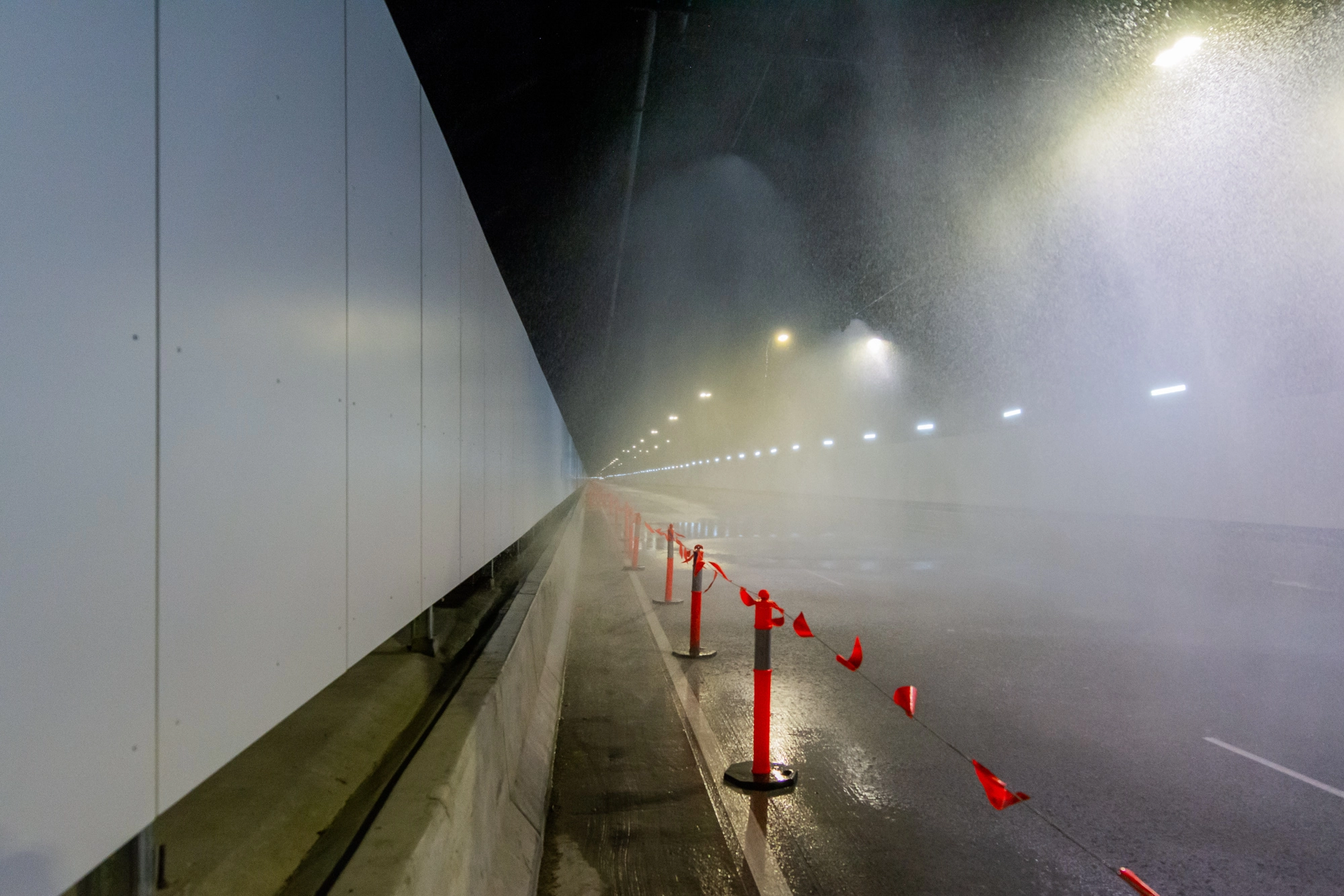
Advanced Fire Suppression for Road Tunnel Safety
Fire protection in road tunnels is engineered to manage high intensity fires in confined environments where heat, smoke and limited evacuation routes create significant risks. We design integrated systems that include linear heat detection, smoke control and ventilation management, high pressure water mist or deluge suppression, hydrant networks and emergency communication systems. These solutions are applied along tunnel bores, cross passages, control rooms and emergency refuge areas to ensure rapid response and effective smoke extraction. Tunnel systems are designed to operate under extreme conditions and support coordinated evacuation and firefighting access. The objective is to control fire spread, maintain visibility for evacuation, protect infrastructure integrity and ensure the safest possible conditions for road users and emergency services.